Real Obedience. Real Life.
Not a dog who sits beautifully in your living room. A dog who responds outside, around distractions, when it actually counts.
I answer every text personally, usually the same day.
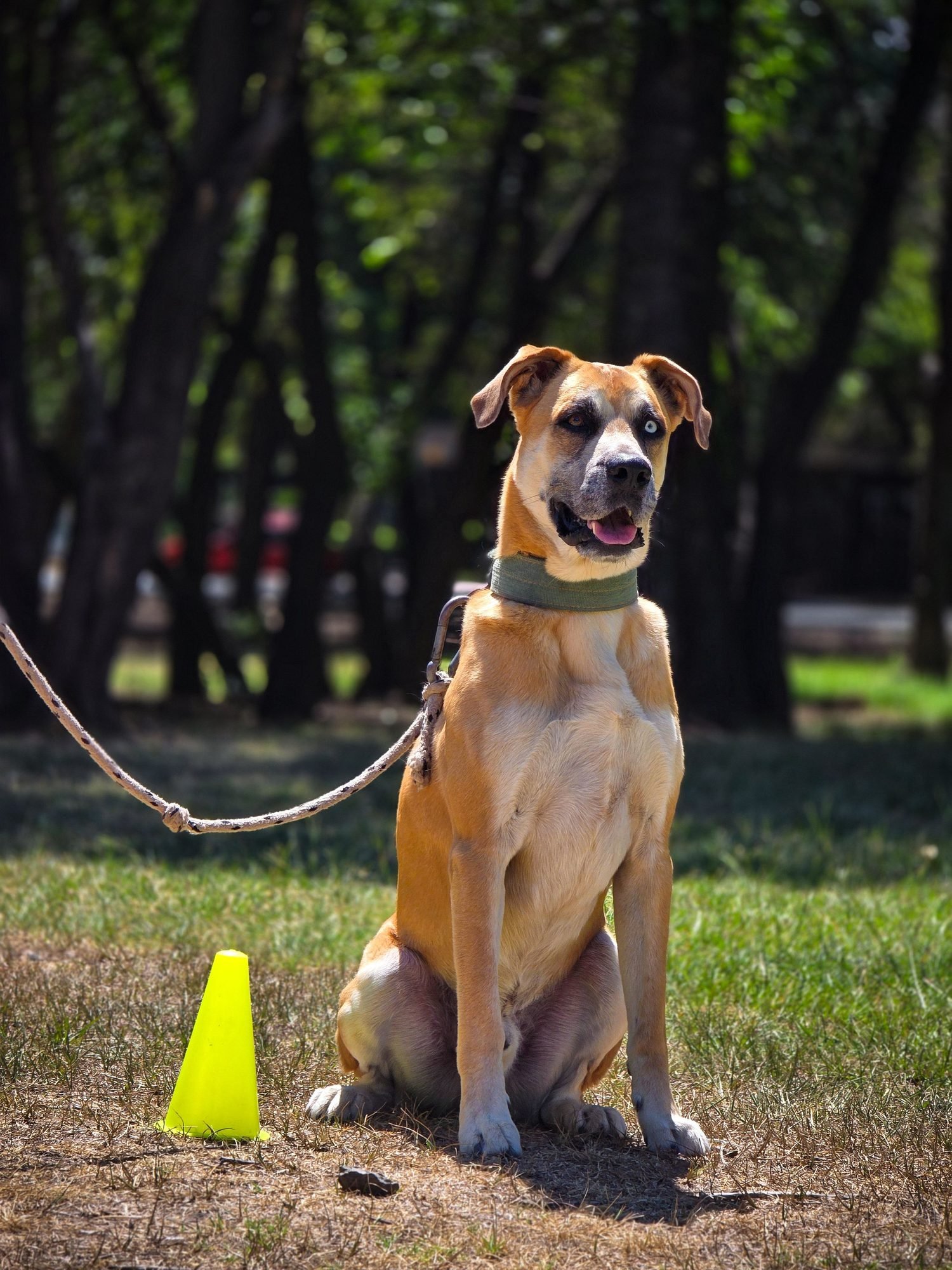
Most Dogs Do Not Ignore You on Purpose.
Pulling on the leash. Ignoring you the second you step outside. Jumping on guests. Barking at everything that moves. Most people are not asking for a perfect dog. They want a dog who listens when it matters. A dog who does not respond usually is not being defiant. More often the behavior was never built somewhere it had to hold up.

"Walks are the worst part of my day."
Pulling often persists because moving forward has reinforced it again and again. Excitement, environment, pace, and training history can matter too, so I look at the whole pattern instead of assuming every dog pulls for the same reason.

"He only listens if I have food."
If your dog has to see the food before responding, the behavior may still depend on a visible lure. That is different from rewarding good behavior. I teach the response first, then use reinforcement strategically so your dog learns what the cue means without needing to see the reward beforehand.
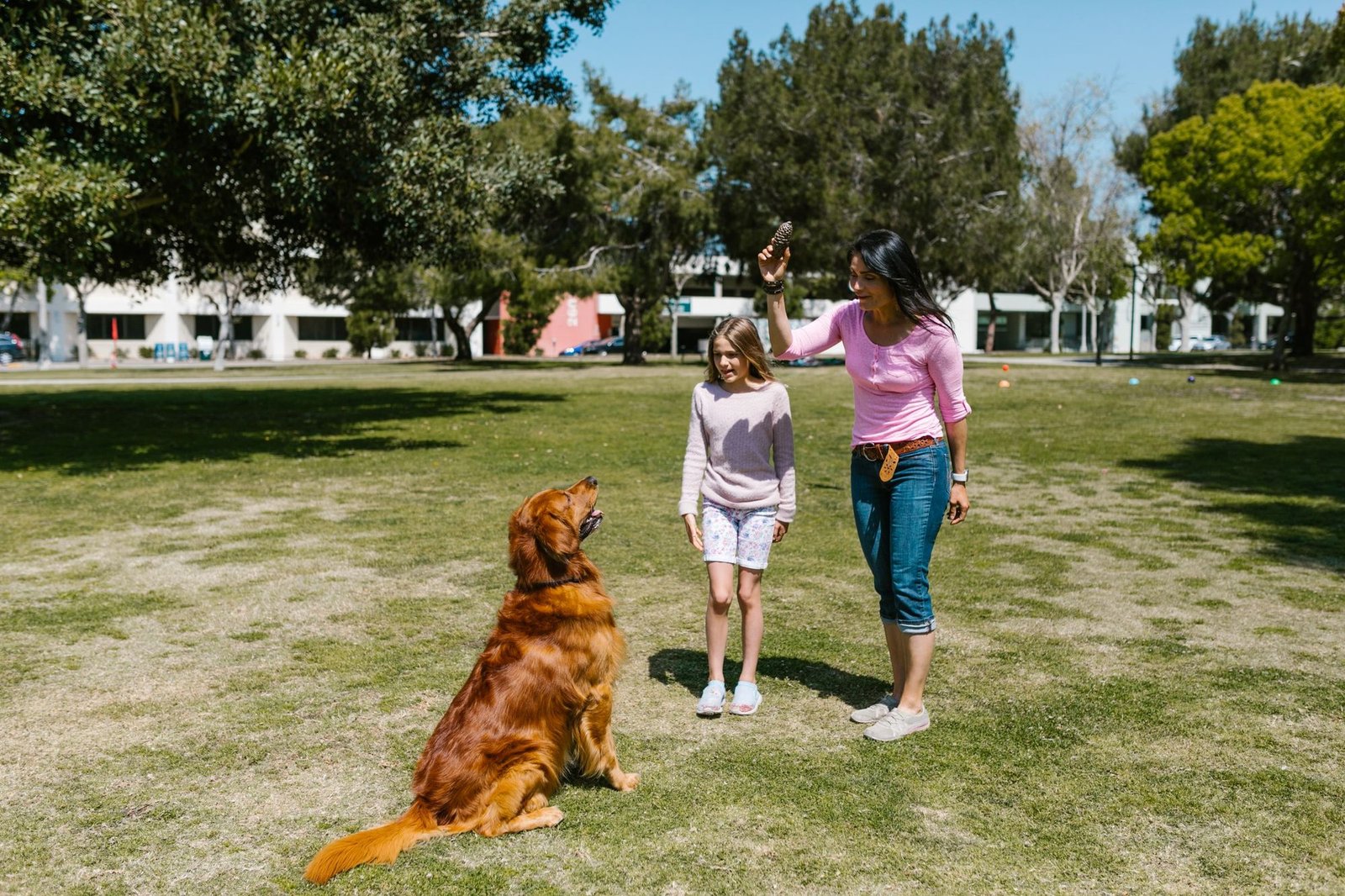
"He is perfect at home."
Dogs do not automatically apply what they learned in the kitchen to a street full of distractions. That transfer has to be taught.
The Hard Part Is Not the Sit. It Is Everywhere Else.
Teaching a sit in a quiet room is often the easy part. What takes work is making the behavior hold when the environment changes: a new place, a new distraction, a new person, or you standing further away than usual.
That is called generalization, and skipping it is why a dog can look trained at home and completely untrained at the park. It is not that the dog forgot. It is that the dog never learned the behavior applies out there too.
So a large part of my work is taking skills your dog already partly knows and deliberately practicing them across the places and situations where you actually need them.
No shock collars, prong collars, choke chains, fear, pain, or intimidation. Not as a marketing position, but because suppressing a behavior does not teach the dog what to do instead.
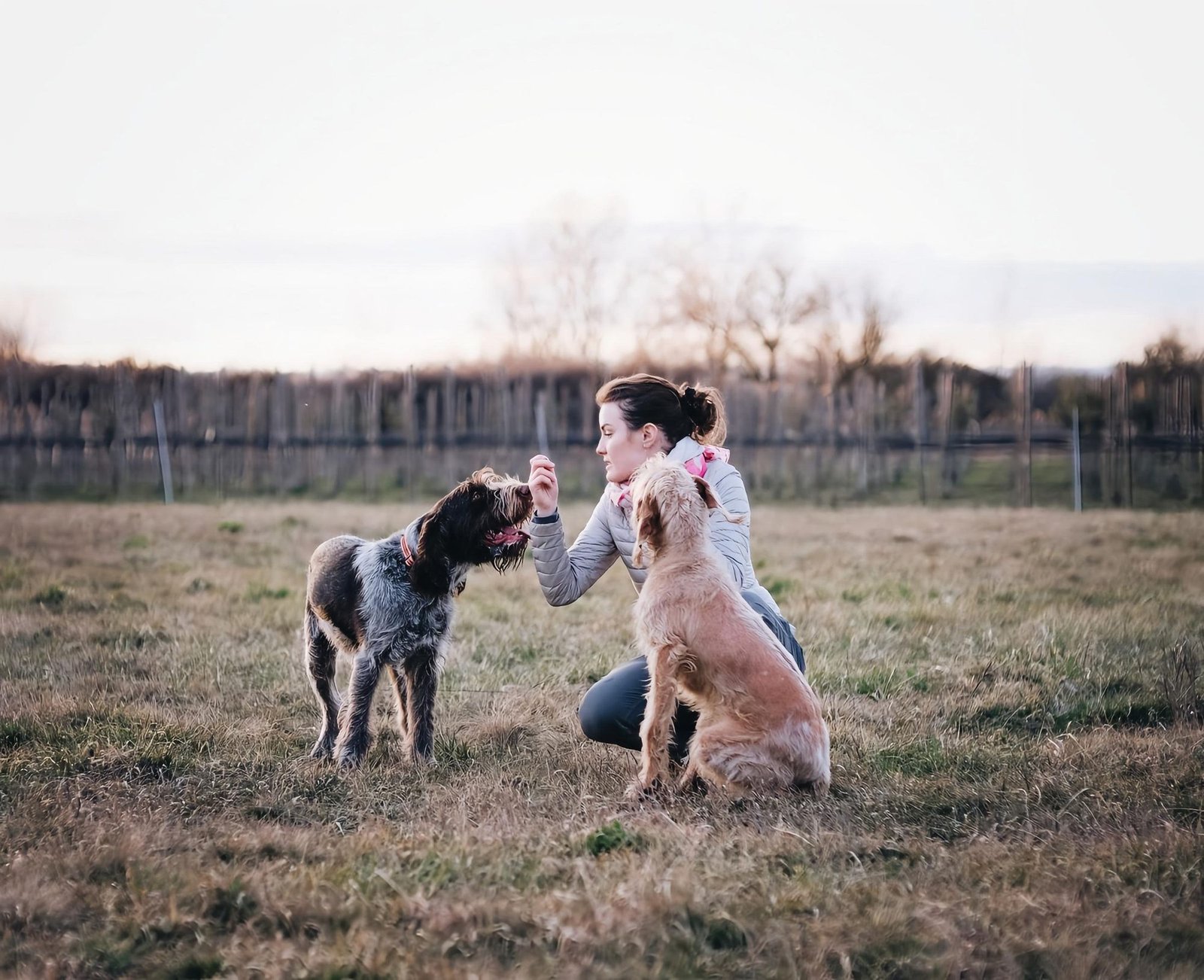
A dog who listens in the living room has not been tested yet.
What Obedience Training Actually Covers
Obedience is not about dominance or getting a dog to submit. The idea that a pet dog is jumping, pulling, or not coming because they are challenging your rank, and that the answer is to establish alpha status or force submission, is not supported by current evidence. It is about clear communication and a dog who wants to work with you.
Heel and loose leash walking
Sit, down, and place, held until released
Come when called
Impulse control around distractions
Greeting and door manners
Real-world environment training
Focus and engagement
Coaching for you between sessions
What Life Looks Like Later
Every dog and household is different and none of this is a guarantee, but here is what the work is aimed at.
Walks that are not a fight
A come-when-called response that holds up better around distractions
Positions that hold until you release them
A dog who checks in with you
A dog who is easier to live with
Behavior that travels outside your house
How it works. The consultation is free, about forty-five minutes, and held online. If it turns out to be a fit, the program follows from there. Every package price is published on the training packages page. The obedience program itself is the Steller Path, which can finish with your dog earning the American Kennel Club Canine Good Citizen title.
Build a Dog Who Actually Listens
Not sure which program fits? The free consultation is how we work that out, with no pressure and nothing owed.
I answer every text personally, usually the same day: (817) 217-8542
Dog Handler, U.S. Army (Ret.) · Fear Free Certified Trainer · AKC CGC Evaluator · Trained Under Will Bangura, MS, CAB-ICB
In-home obedience training serving Fort Worth and the DFW area. Outcomes vary by dog, environment, health, learning history, practice, and other individual factors.