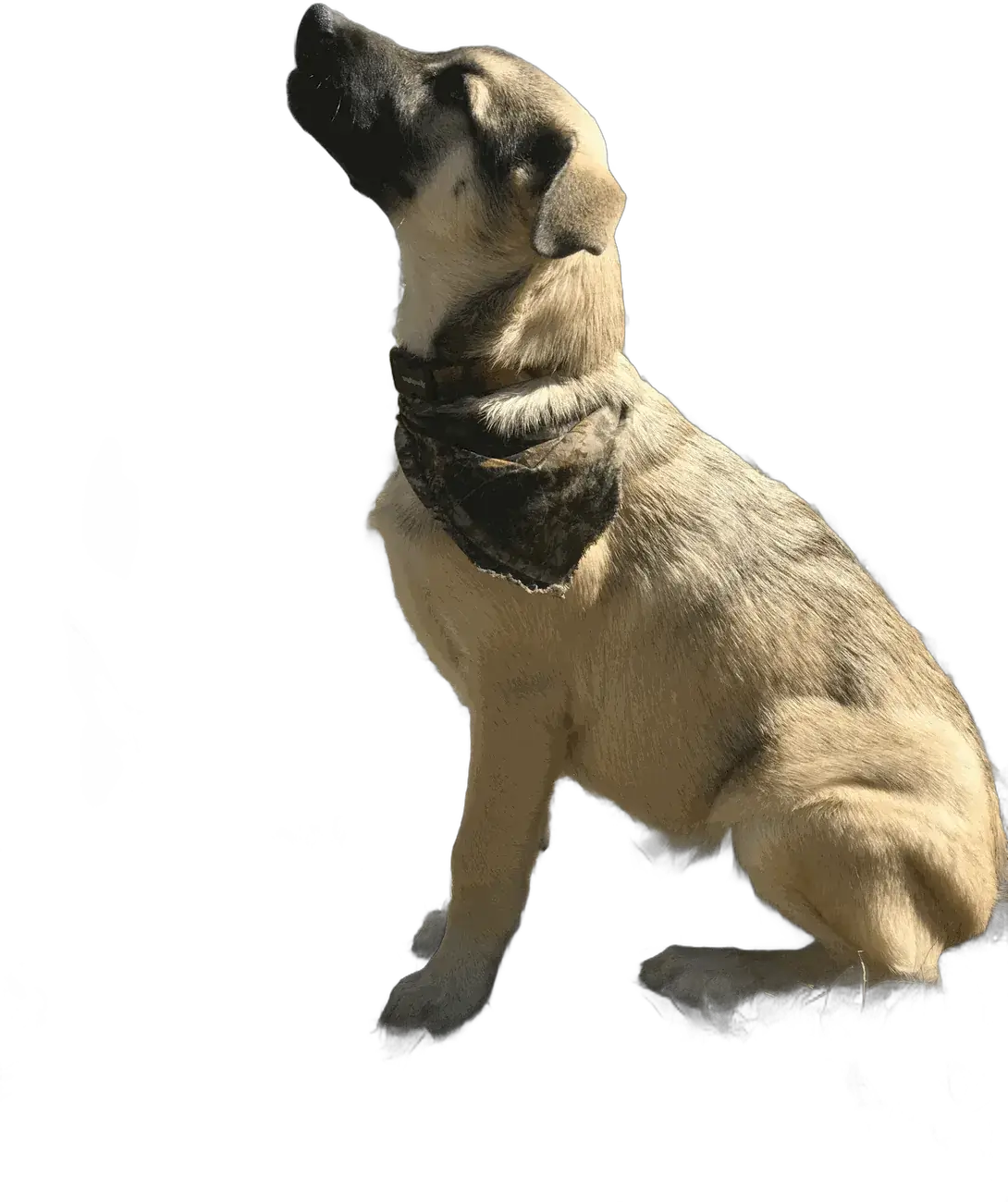
Start Your Puppy Right.
Early puppyhood is an especially important time for learning about people, animals, places, handling, and the wider world. Positive experiences now can shape later behavior, but learning does not stop when that early window narrows.
I answer every text personally, usually the same day.
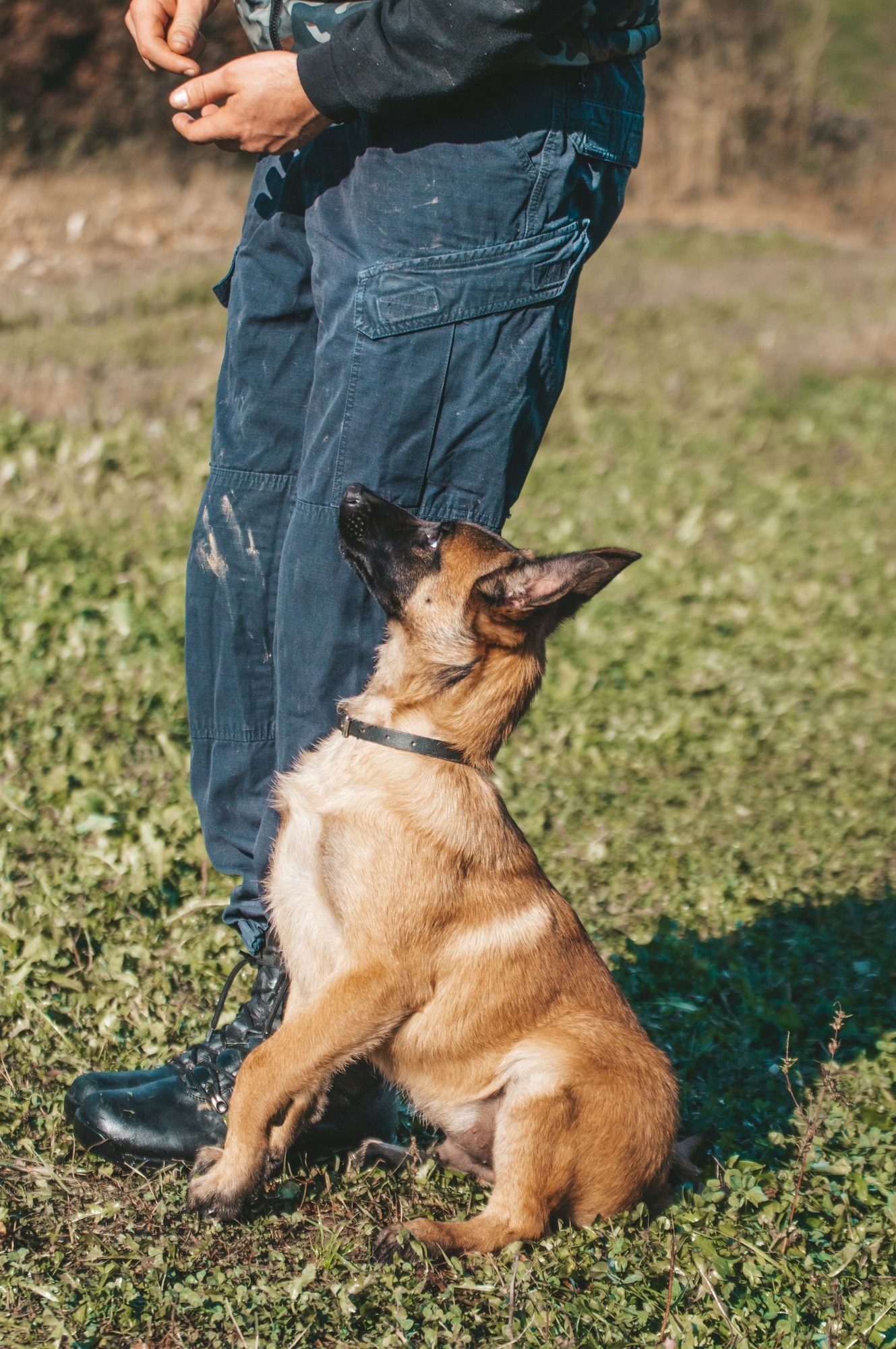
The Chaos Is Normal. What You Do Next Matters.
Jumping, biting, chewing, accidents on the floor, and a puppy who acts like they have never heard their own name. It feels like something has gone wrong. It has not. A puppy who does these things is behaving like a puppy. What looks like stubbornness is usually a skill that has not been learned well enough yet, especially in that situation.
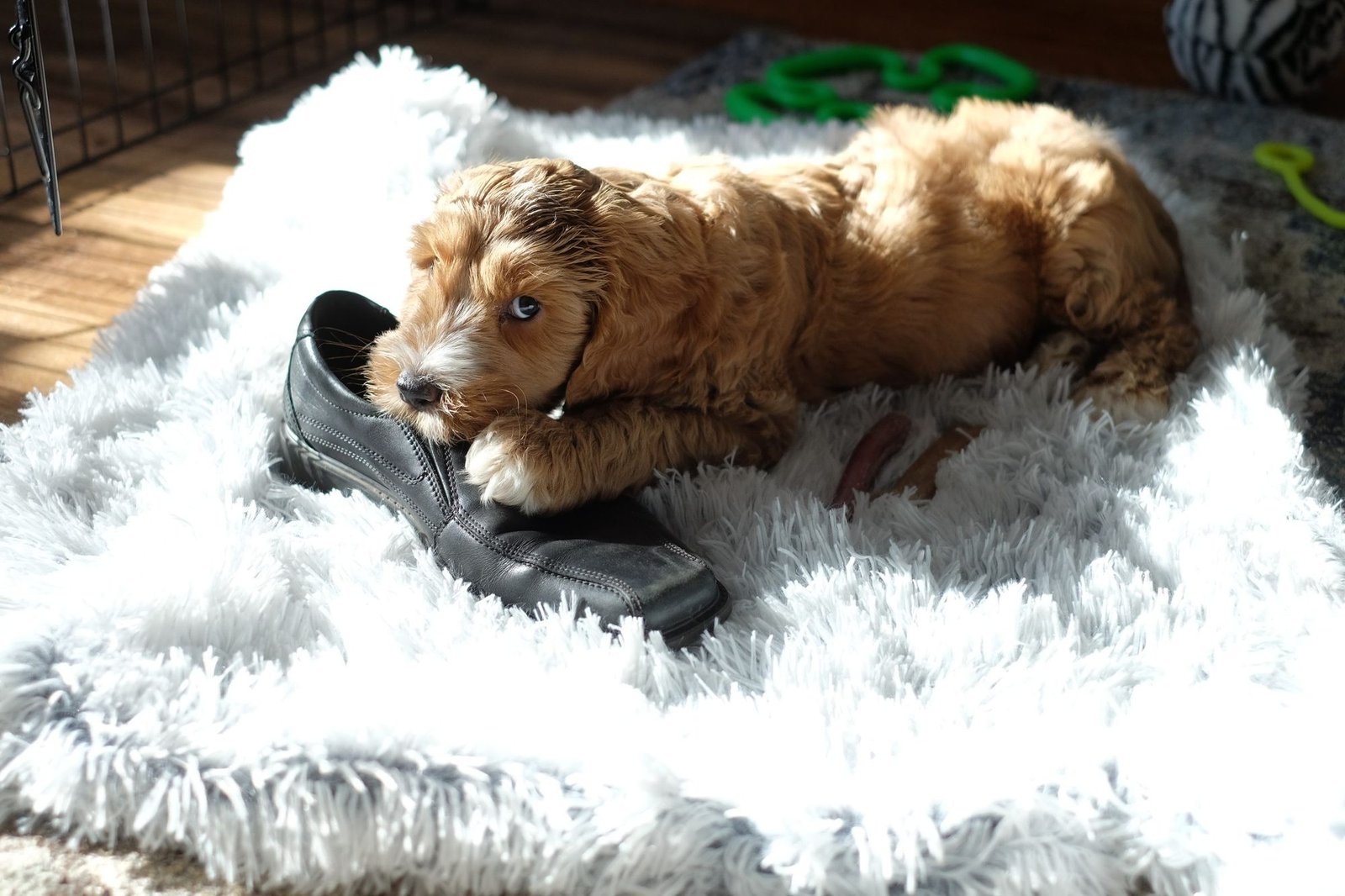
"Everything I own has teeth marks in it."
Chewing is not defiance. It is how a puppy explores, and how a teething mouth finds relief.
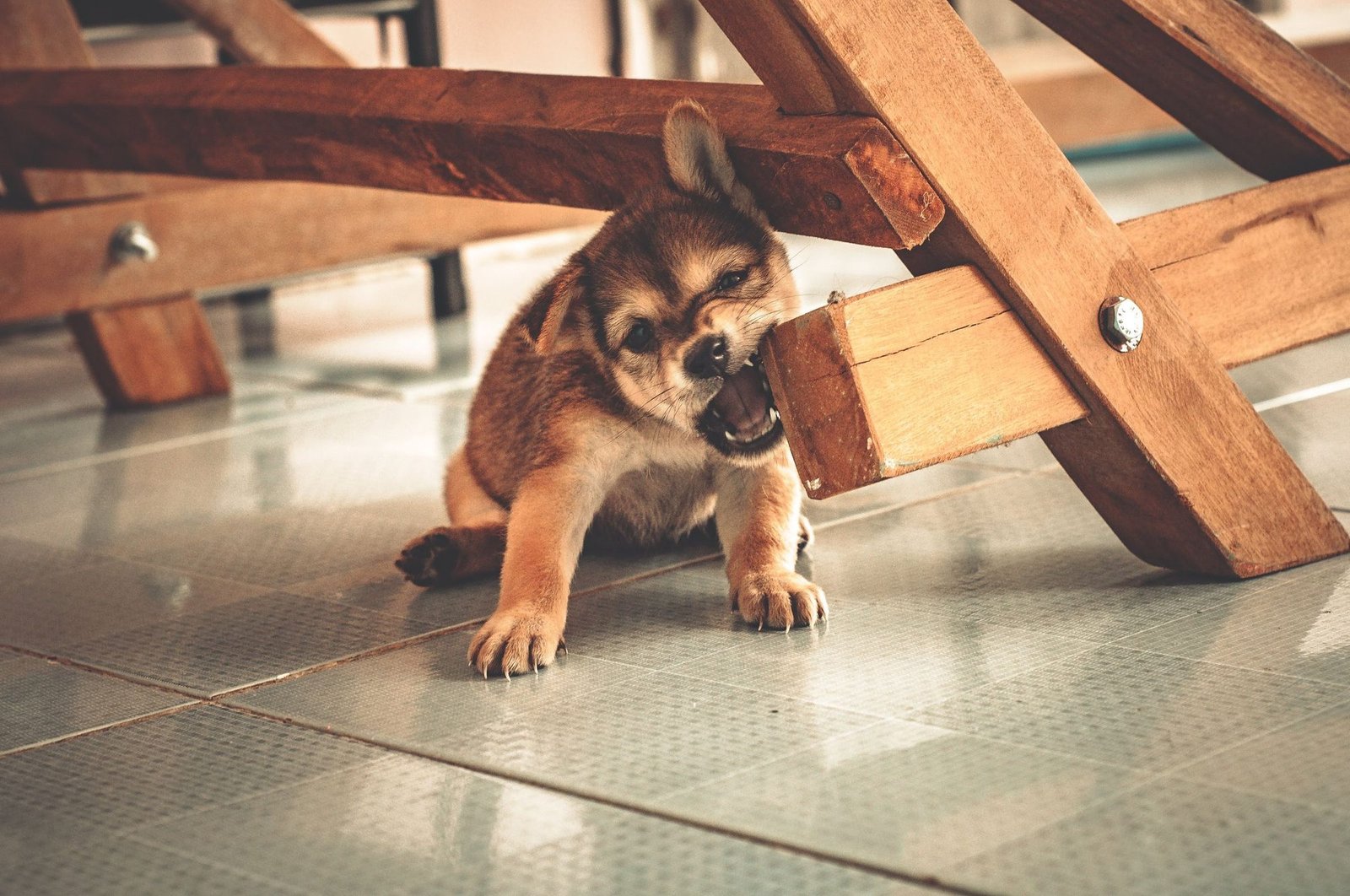
"I cannot leave the room for two minutes."
A puppy left with nothing appropriate to chew will find something inappropriate.
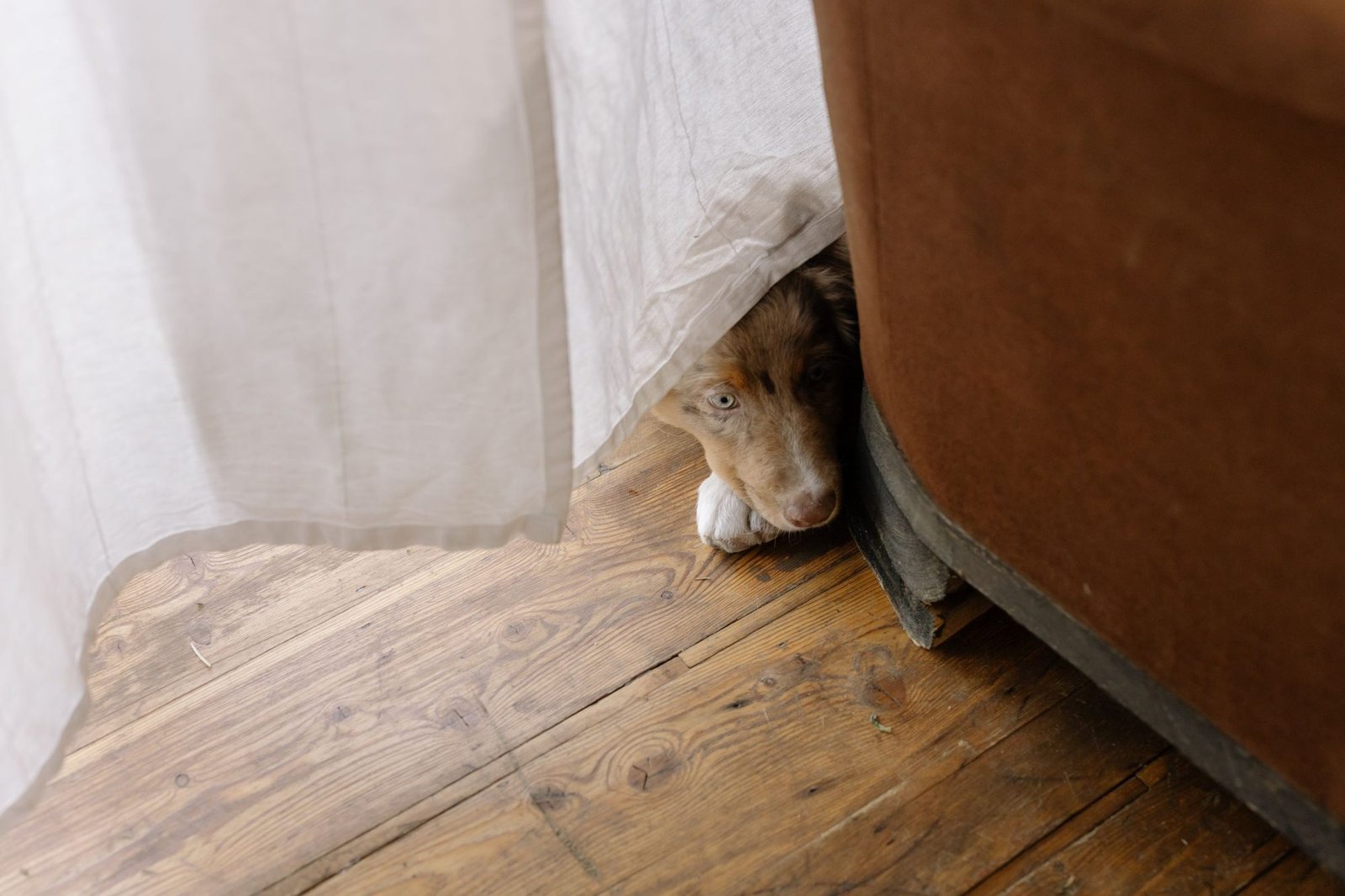
"He hides from everything."
Some puppies are not wild, they are worried. That one gets missed, because a quiet puppy looks like an easy puppy.
There Is a Window, and It Does Not Stay Open.
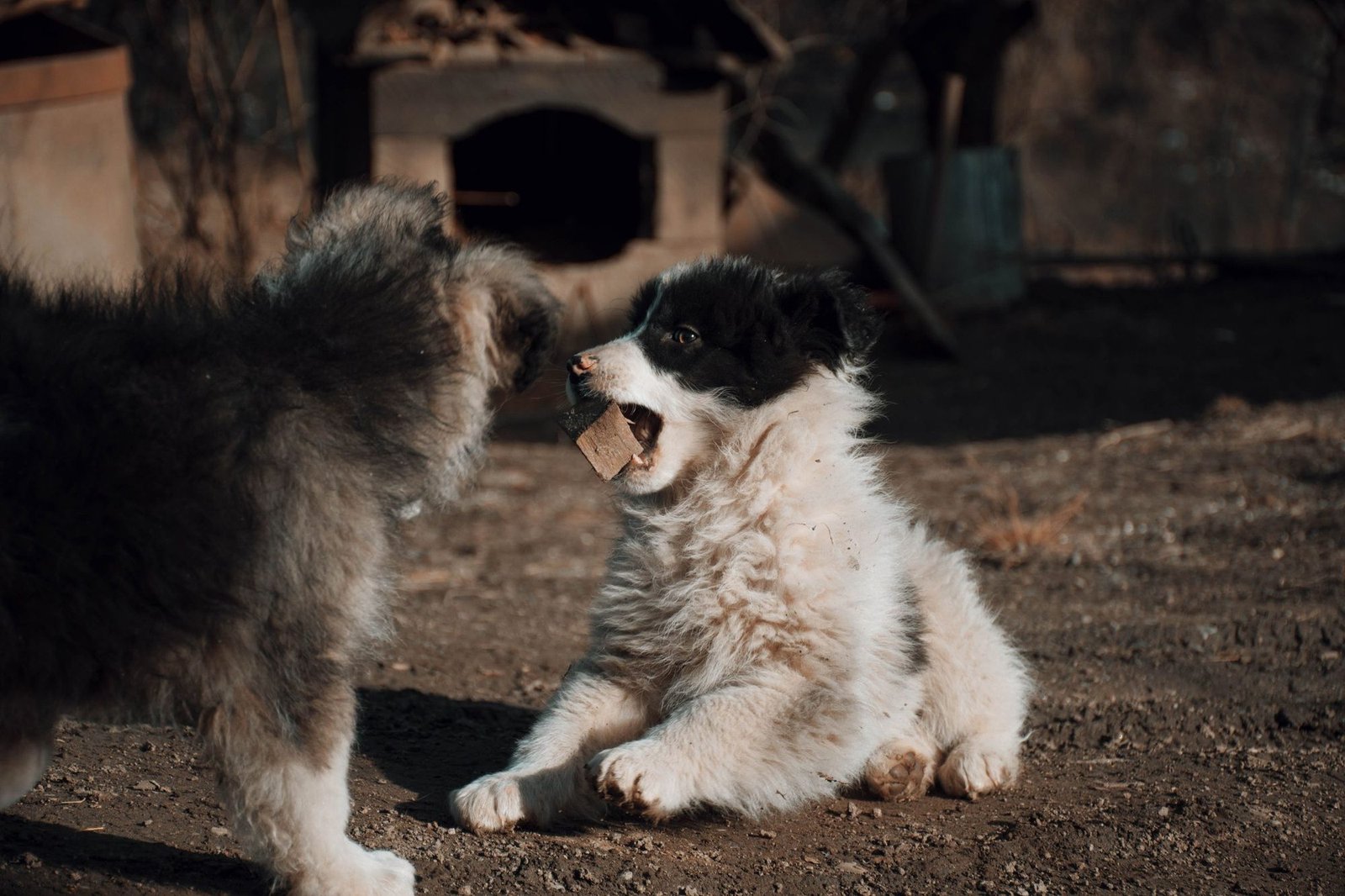
Puppies go through a developmental period early in life when they are unusually open to new experiences. What they meet during that period, and how those meetings go, can shape how they respond to the world later. The first three months are especially important for socialization, but learning and development continue well beyond them.
The window narrows as puppies grow, but development and learning continue. Missing some early experiences does not doom a puppy. Early, safe, positive exposure matters because it can help build resilience before fear or avoidance patterns become well rehearsed.
Socialization does not mean exposing your puppy to as much as possible as fast as possible. Forced or overwhelming exposure can make fear worse. The goal is safe, positive experiences at a pace your puppy can handle.
It is easier to build something than to rebuild it.
I Do Not Stop the Chewing. I Redirect It.
A puppy who is chewing is not doing something wrong. They are doing something normal in the wrong place. Taking the behavior away does not work on its own, because the need behind it does not go away. Giving it somewhere better to go does.
That is one example of the larger approach: understand what is maintaining the behavior, change the environment where needed, and teach a better option.
What Puppy Training Actually Covers
I am not running your puppy through a list of tricks. I am building the handful of things that make everything else possible, and teaching you how to keep them going after I leave.
Sit, down, recall, and place
Loose leash walking
Jumping, mouthing, and biting
Crate and house training
Door and greeting manners
Impulse control and focus
Socialization guidance at your puppy's pace
Handling and body-handling comfort
What Life Looks Like Later
Every dog is different and none of this is a guarantee, but here is what good puppy work is aimed at.
A dog who is easier to live with
A dog who understands what is expected
A dog who responds indoors and outside
Energy that has somewhere to go
A foundation the harder work can build on
A relationship built on communication rather than frustration
How it works. The consultation is free, about forty-five minutes, and held online. If it turns out to be a fit, the program follows from there. Every package price is published on the training packages page.
Let's Start Your Puppy Off Right
Most puppies start on the Steller Path, which can finish with your puppy earning their Canine Good Citizen title. If you are not sure where to start, the free consultation is how we work that out.
I answer every text personally, usually the same day: (817) 217-8542
Dog Handler, U.S. Army (Ret.) · Fear Free Certified Trainer · AKC CGC Evaluator · Trained Under Will Bangura, MS, CAB-ICB
In-home puppy training serving Fort Worth and the DFW area. Outcomes vary by dog, environment, health, learning history, practice, and other individual factors.